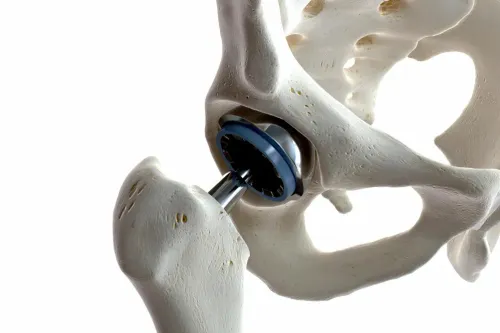

The term arthroplasty often appears in orthopaedic consultations when discussing severely damaged knees, hips, or other joints. Although the word may sound technical, its basic purpose is straightforward: arthroplasty is surgery performed to restore the function of a damaged joint, commonly through partial or complete joint replacement.
Understanding what the procedure involves can help patients in Thane make sense of treatment recommendations and prepare better questions for their orthopaedic consultation.
Why Is Arthroplasty Performed?
Healthy joints allow bones to move smoothly against each other. Conditions such as advanced osteoarthritis can progressively damage cartilage and other joint structures. As this deterioration progresses, patients may experience pain, stiffness, swelling, reduced movement, and difficulty performing routine activities.
Arthroplasty may be considered when joint damage is substantial and appropriate conservative treatment is no longer controlling symptoms adequately.
Common reasons include:
- Advanced osteoarthritis
- Certain types of inflammatory arthritis
- Severe joint degeneration after an old injury
- Selected hip fractures
- Joint damage affecting mobility and independence
Partial and Total Joint Replacement
Not every arthroplasty procedure involves replacing the entire joint.
In a partial replacement, only the damaged portion may be replaced when the remaining structures are suitable.
A total joint replacement involves replacing the major damaged joint surfaces with prosthetic components.
Which approach is appropriate depends on the joint involved, pattern of damage, bone quality, ligament condition, age, activity level, and other clinical factors.
What Happens Before Surgery?
Pre-operative planning is an important part of arthroplasty. Patients generally undergo a physical examination and imaging such as X-rays. Medical history, medicines, existing illnesses, and previous treatments are also reviewed.
The orthopaedic team may recommend additional investigations to assess fitness for surgery.
Patients should also understand that recovery continues after leaving the operating theatre. Rehabilitation and prescribed exercises are important for restoring movement, strength, balance, and confidence.
Surgery Is Only One Part of Recovery
Expectations should remain realistic. Improvement after arthroplasty develops progressively rather than instantly. Recovery time differs according to the procedure, patient health, pre-operative mobility, and adherence to rehabilitation.
For people across Thane and nearby Maharashtra communities, accessibility to follow-up care can be an important practical consideration when planning surgery.
At Ankur Hospital, Dr. Amol A. Gharote assesses the severity of joint disease and discusses whether continued conservative management, partial replacement, or another surgical approach may be suitable.
Arthroplasty can be an important option for appropriately selected patients, but the decision should always follow a complete orthopaedic assessment rather than being based solely on age or imaging findings.
Keywords