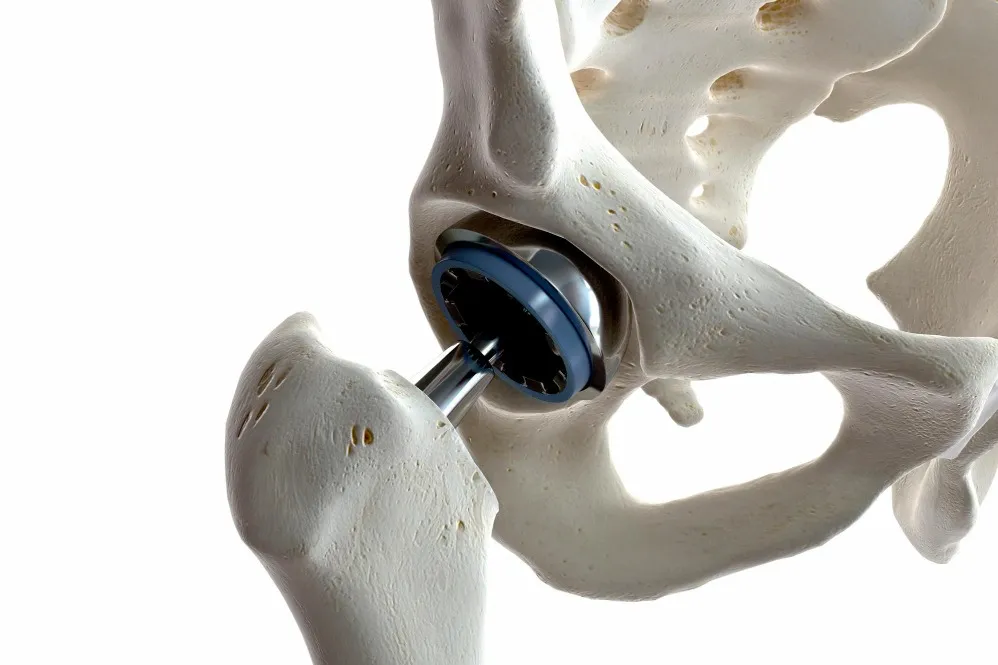
Hip fractures in older adults require careful attention because they can significantly affect mobility and independence. For certain fractures involving the neck of the femur, hip hemi-arthroplasty in geriatric patients may be considered as a surgical treatment.
Hemi-arthroplasty means replacing the damaged femoral head and neck while retaining the patient's natural hip socket. It differs from total hip replacement, where both sides of the joint are replaced.
Why Is This Procedure Considered After Certain Fractures?
Some displaced femoral neck fractures in older adults have a higher risk of problems with healing because the injury can affect blood supply to the femoral head.
In appropriately selected patients, replacing the damaged portion of the hip may provide a more predictable mechanical solution than attempting to fix certain displaced fractures.
However, treatment is individualised. Not every elderly patient with a hip fracture needs hemi-arthroplasty.
Hemi-Arthroplasty or Internal Fixation?
Internal fixation stabilises a fracture using devices such as screws or other implants while retaining the patient's natural femoral head.
The choice between fixation and replacement depends on factors including:
- Exact fracture location and displacement
- Patient's age and pre-injury mobility
- Bone quality
- Existing hip disease
- Medical fitness
- Cognitive and functional status
- Overall surgical considerations
Total hip replacement may also be considered for selected patients depending on their health, mobility, and joint condition.
Why Early Assessment Matters
Hip fractures in older adults are more than isolated bone injuries. Pain and immobility can affect overall health, making coordinated medical and orthopaedic care important.
Evaluation generally includes X-rays, medical assessment, review of existing illnesses and medications, and planning for anaesthesia, surgery, and rehabilitation where appropriate.
Recovery Requires More Than Surgery
The goal after treatment is not simply to repair or replace part of the hip. Rehabilitation focuses on safely restoring mobility and helping the patient return to an appropriate level of daily function.
Fall-risk assessment, nutrition, muscle strengthening, home safety, and evaluation of bone health may also become relevant.
Families in Thane and other parts of Maharashtra often have an important role in supporting an older person's recovery. Knowing the patient's mobility before the fracture can also help the treating team establish realistic rehabilitation goals.
At Ankur Hospital in Thane, Dr. Amol A. Gharote evaluates orthopaedic trauma and discusses surgical options according to fracture characteristics and individual patient factors.
For geriatric hip fractures, choosing between fixation, hemi-arthroplasty, and other approaches requires more than considering chronological age. The fracture pattern, previous function, health status, and anticipated rehabilitation needs all contribute to an appropriate treatment decision.
Keywords