
Pain on the thumb side of the wrist can make lifting, gripping, typing, opening containers, or carrying a child uncomfortable. One possible cause is De Quervain tenosynovitis, a condition affecting tendons that pass through a sheath near the wrist. When persistent symptoms do not respond sufficiently to conservative management, De Quervain tenosynovitis release may be considered.
Before choosing a procedure, it is important to confirm the diagnosis because several wrist and thumb conditions can produce pain in a similar region.
What Does De Quervain Tenosynovitis Feel Like?
Typical symptoms can include pain near the base of the thumb, tenderness along the thumb side of the wrist, and discomfort that increases with gripping or thumb movement.
Some patients also notice swelling or a catching sensation.
Repetitive hand activity can aggravate symptoms, although the condition should not automatically be attributed to a single activity without assessment.
What Is Usually Tried Before Release?
Treatment is selected according to severity and individual circumstances. Conservative options can include:
- Modifying aggravating activities
- Appropriate wrist and thumb support
- Medication when clinically suitable
- Guided rehabilitation
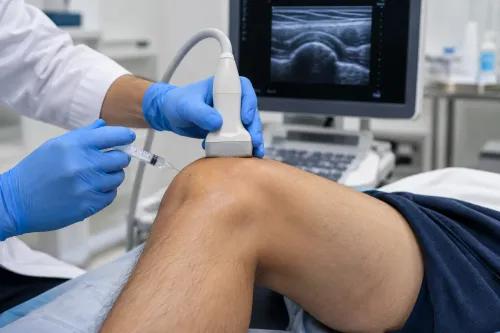
- Injection therapy in selected cases
Some patients improve without surgery. Others continue to experience symptoms that interfere with work or routine hand function.
When May Surgical Release Be Discussed?
Release may be considered when the diagnosis is established and symptoms remain significant despite appropriate non-operative treatment.
The procedure aims to create sufficient space for the affected tendons to glide more freely within their compartment.
Surgery still requires proper planning. Patients should discuss possible risks, wound care, post-procedure movement, work requirements, and expected recovery with their treating surgeon.
Avoid One Common Mistake
Persistent thumb-side wrist pain should not be self-diagnosed solely from an online test. Arthritis at the base of the thumb, fractures, ligament problems, and other tendon conditions can sometimes resemble De Quervain symptoms.
An examination helps identify where the pain originates and whether additional imaging is necessary.
For patients in Thane, Maharashtra, the decision to proceed with a hand procedure should be based on diagnosis, symptom severity, functional impairment, and response to previous treatment.
At Ankur Hospital, Dr. Amol A. Gharote evaluates wrist and hand complaints and discusses available management options based on clinical findings.
De Quervain release can be an option for selected persistent cases, but it is not automatically the next step for every painful wrist. Confirming the diagnosis and reviewing conservative treatments first helps ensure that any procedure addresses the actual source of the patient's symptoms.
Keywords