
Joint pain can gradually change the way a person walks, climbs stairs, sleeps, works, and manages everyday activities. While many joint problems respond to medicines, physiotherapy, activity modification, or injections, advanced joint damage may require a different approach. Joint replacement is generally considered when significant structural damage is causing persistent pain and loss of function despite appropriate non-surgical treatment.
For patients in Thane and surrounding areas of Maharashtra, understanding when surgery may be considered can make conversations with an orthopaedic specialist more productive.
What Does Joint Replacement Involve?
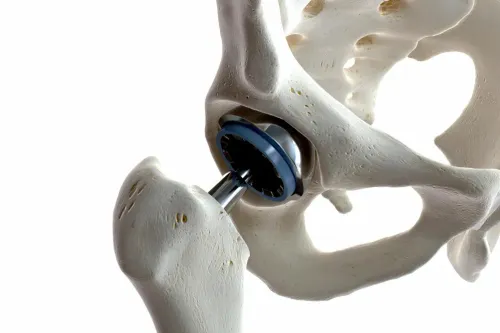
Joint replacement surgery removes damaged portions of a joint and replaces them with artificial components designed to restore smoother movement. Knee and hip replacements are among the commonly performed procedures.
The decision is not based on an X-ray alone. An orthopaedic evaluation usually considers:
- Severity and duration of pain
- Difficulty walking or climbing stairs
- Joint stiffness and reduced mobility
- Effect on sleep and daily activities
- Clinical examination findings
- X-rays or other imaging
- Response to previous treatments
- Overall health and activity requirements
Signs That May Lead to a Surgical Evaluation
Occasional knee or hip discomfort does not automatically indicate a need for surgery. Evaluation becomes more important when symptoms remain persistent and substantially affect normal life.
For example, a person may find that even short walks have become difficult, getting up from a chair requires support, or joint pain regularly interrupts sleep. Increasing deformity or progressive restriction of movement can also indicate advanced joint disease.
Osteoarthritis is a common reason for joint replacement, although inflammatory arthritis, previous injuries, certain fractures, and other conditions can also cause severe joint deterioration.
Are Non-Surgical Options Tried First?
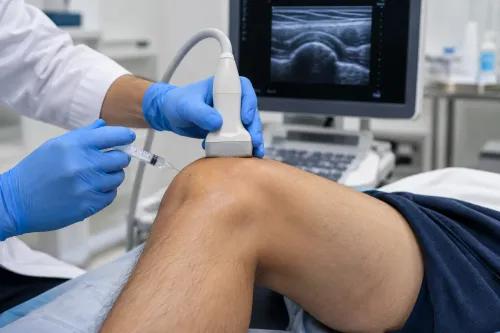
In many cases, yes. Depending on the diagnosis and severity, management may include physiotherapy, appropriate exercise, weight management, medicines, walking aids, or selected injection therapies.
Surgery is usually discussed when conservative measures no longer provide adequate functional improvement or when joint damage has progressed considerably.
Why Individual Assessment Matters
Two people with similar-looking X-rays may have very different symptoms. One may remain active with manageable discomfort, while another may struggle with basic daily activities. This is why treatment decisions should reflect the patient's symptoms, examination findings, imaging, age, general health, and personal functional goals.
At Ankur Hospital in Thane, Dr. Amol A. Gharote evaluates orthopaedic conditions by considering both the structural problem and its impact on the patient's daily function.
Joint replacement is therefore not simply a treatment for an abnormal X-ray. It is a carefully considered option for patients whose joint disease has reached a stage where pain, stiffness, and mobility limitations meaningfully affect everyday life.
Keywords