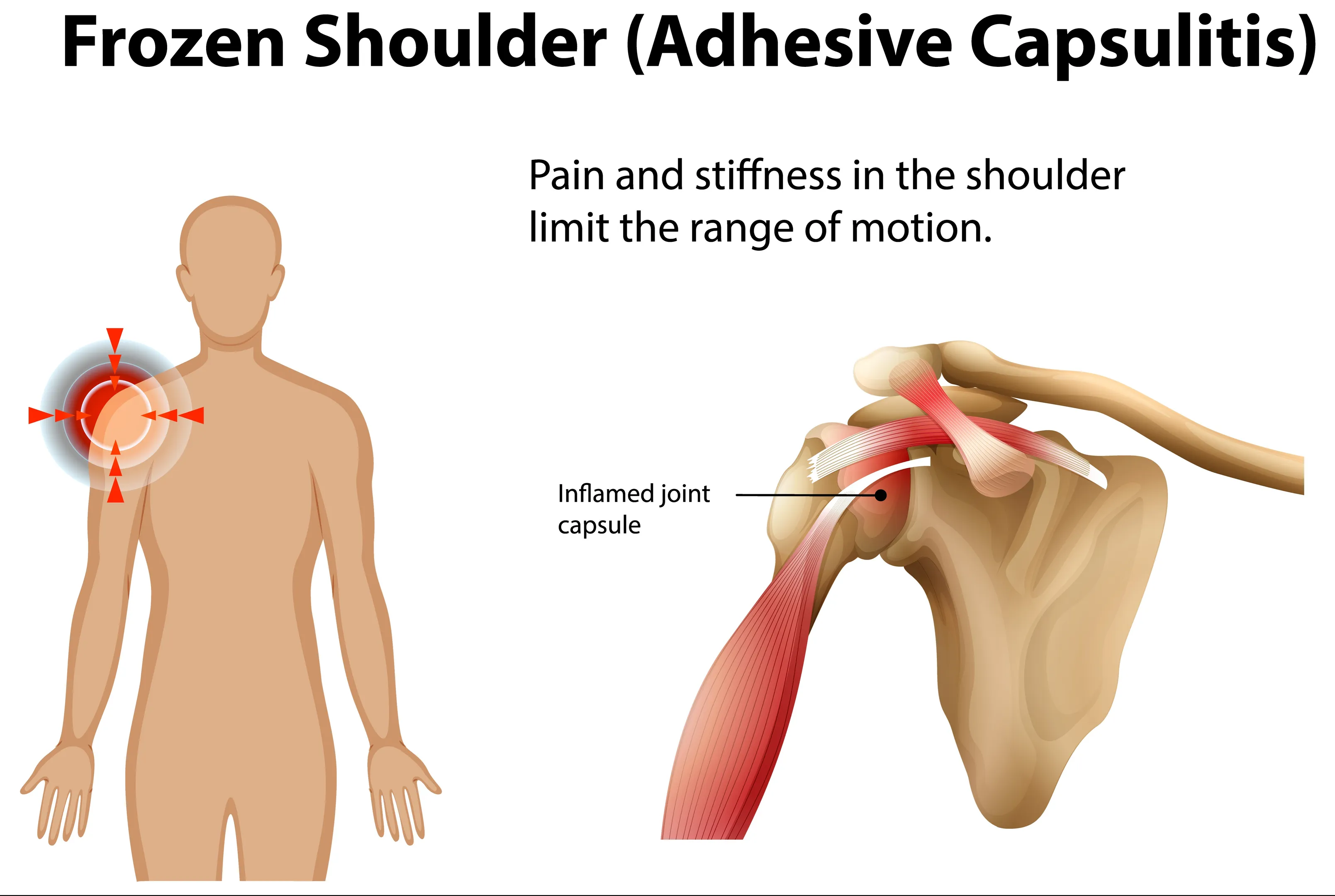
Reaching for a shelf, fastening a seat belt, combing your hair, or putting on a shirt are movements most people take for granted—until shoulder pain begins limiting them. If your shoulder has gradually become stiff and painful without a recent injury, you could be experiencing frozen shoulder, also known as adhesive capsulitis.
Frozen shoulder develops slowly and can significantly affect daily life if left untreated. Fortunately, early diagnosis and the right treatment approach can help restore movement and reduce discomfort. Across Wagale Estate, Shree Nagar, Louise Wadi, Uthalsar, Panchpakhadi, and Thane, many patients seek orthopedic care after months of assuming their shoulder pain will improve on its own.
What Is Frozen Shoulder?
Frozen shoulder is a condition in which the capsule surrounding the shoulder joint becomes inflamed, thickened, and tight. As the capsule loses flexibility, moving the shoulder becomes increasingly difficult and painful.
Unlike a temporary muscle strain, frozen shoulder tends to progress gradually over several months. Without proper treatment, recovery may take much longer than expected.
Who Is More Likely to Develop Frozen Shoulder?
Although anyone can develop this condition, certain individuals are at a higher risk.
Common risk factors include:
- Age between 40 and 60 years
- Diabetes
- Thyroid disorders
- Previous shoulder injuries
- Long periods of shoulder immobilisation
- Recovery after shoulder surgery
People who avoid moving their shoulder because of pain may unintentionally make the stiffness worse over time.
Recognising the Different Stages
Frozen shoulder usually develops in three distinct phases.
The Freezing Stage
This is when shoulder pain gradually increases, especially during movement or at night. Daily activities start becoming uncomfortable, although stiffness may still be mild.
The Frozen Stage
Pain may reduce slightly, but stiffness becomes much more noticeable. Tasks such as reaching overhead, dressing, or lifting light objects become difficult.
The Thawing Stage
Shoulder movement slowly begins improving. With proper rehabilitation, flexibility continues to return over time.
Understanding these stages helps patients appreciate why recovery requires patience and consistent treatment.
How Is Frozen Shoulder Diagnosed?
Diagnosis begins with a detailed medical history and physical examination. During the consultation, the orthopedic specialist evaluates shoulder movement, identifies painful directions of motion, and rules out other possible causes of shoulder pain.
At Ankur Hospital, Dr. Amol Gharote carefully assesses each patient before recommending treatment. If necessary, X-rays or advanced imaging may be advised to exclude conditions such as arthritis, rotator cuff injuries, or fractures that can produce similar symptoms.
An accurate diagnosis is important because frozen shoulder is treated differently from many other shoulder disorders.
Treatment Is Usually Individualised
The good news is that many cases of frozen shoulder improve without surgery. The focus is on reducing pain, maintaining movement, and gradually restoring flexibility.
Treatment may include:
- Pain-relieving medication
- Anti-inflammatory medicines where appropriate
- Physiotherapy
- Stretching exercises
- Activity modification
- Heat therapy in selected cases
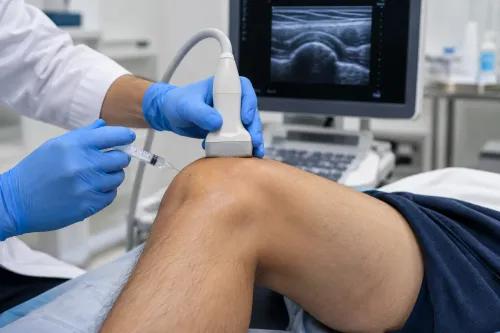
For patients experiencing persistent pain that limits rehabilitation, procedures such as USG-guided injection therapy may be considered when clinically appropriate. These injections are performed with ultrasound guidance to improve accuracy and target the affected area more precisely.
The treatment plan always depends on the severity of stiffness, pain levels, and the patient's overall health.
Why Physiotherapy Plays Such an Important Role
One of the biggest mistakes people make is avoiding shoulder movement altogether. While resting the shoulder for a short period may reduce discomfort, prolonged inactivity often increases stiffness.
A structured physiotherapy programme helps:
- Improve flexibility
- Restore shoulder mobility
- Strengthen surrounding muscles
- Reduce pain during movement
- Improve overall shoulder function
The exercises should always be performed under professional guidance rather than relying on random online routines, which may not suit every stage of frozen shoulder.
Small Daily Habits Can Support Recovery
Along with medical treatment, a few lifestyle adjustments can make recovery more comfortable.
- Maintain good posture while sitting and working.
- Avoid sudden overhead lifting during painful phases.
- Perform prescribed stretching exercises consistently.
- Don't ignore persistent night pain.
- Attend follow-up appointments to monitor progress.
These simple steps often complement formal treatment and help patients regain confidence in using their shoulder.
Moving Towards Better Shoulder Health
Frozen shoulder can be frustrating because recovery is gradual, but most patients experience meaningful improvement with timely care and a well-planned rehabilitation programme.
At Ankur Hospital, Dr. Amol Gharote works closely with patients to identify the stage of the condition and recommend a treatment approach tailored to their needs. Whether someone lives in Wagale Estate, Shree Nagar, Louise Wadi, Uthalsar, Panchpakhadi, or other parts of Thane, seeking orthopedic evaluation early can prevent prolonged stiffness and help restore comfortable shoulder movement before the condition begins affecting every aspect of daily life.
Keywords