
When dealing with persistent joint pain or tendon injuries, many people hope to find a treatment that supports the body's natural healing process rather than simply masking the pain. This growing interest has led to increased awareness of Growth Factor Cell Injection, a regenerative treatment that may be recommended for selected orthopedic conditions.
Patients from Thane Station, Kopri, Naupada, Teen Hath Naka, Wagale Estate, Panchpakhadi, and nearby parts of Thane often ask whether regenerative therapies can help them avoid surgery or recover more effectively from chronic injuries. While these treatments are not suitable for everyone, they can play an important role in carefully selected cases.
What Is Growth Factor Cell Injection?
Growth Factor Cell Injection is a regenerative orthopedic treatment that uses naturally occurring growth factors to support the body's healing response. Rather than replacing damaged tissue, the objective is to encourage repair in areas where healing has slowed due to injury or long-term degeneration.
Unlike painkillers, which mainly provide temporary symptom relief, regenerative treatments focus on improving the biological healing environment within the affected tissue.
Because every orthopedic condition is different, this therapy is recommended only after careful clinical evaluation.
Which Orthopedic Conditions May Benefit?
Growth Factor Cell Injection is commonly considered for soft tissue injuries that have not responded adequately to conventional treatment.
These may include:
- Tennis elbow
- Partial rotator cuff injuries
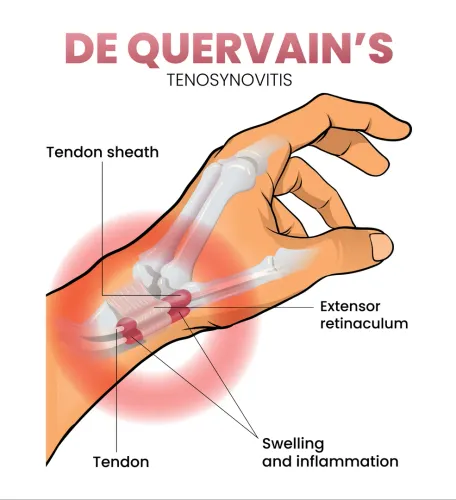
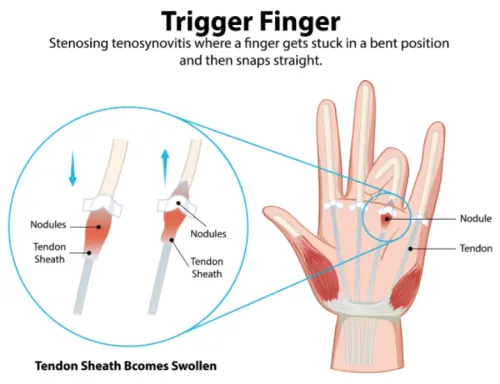
- Chronic tendon inflammation
- Ligament injuries
- Plantar fasciitis
- Early joint degeneration in selected patients
- Sports-related overuse injuries
Not every patient with joint pain is an ideal candidate, making proper diagnosis an essential first step.
How Does the Treatment Work?
Although the exact technique varies depending on the patient's condition, regenerative therapy generally aims to deliver concentrated healing factors to the injured area.
The overall treatment process usually involves:
- Clinical assessment.
- Imaging, if required.
- Preparation of the regenerative material.
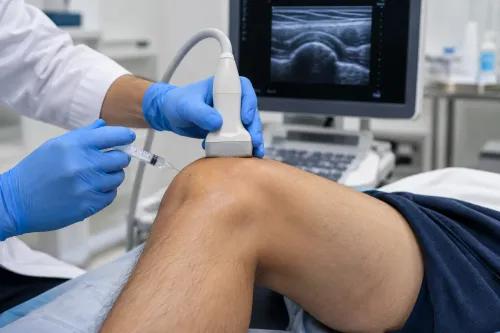
- Precise placement of the injection, often with ultrasound guidance.
- Follow-up rehabilitation.
The goal is to stimulate tissue repair while allowing patients to continue with a structured recovery programme.
When Is It Considered Instead of Surgery?
One of the most common questions patients ask is whether Growth Factor Cell Injection can replace surgery.
The answer depends on several factors, including:
- The type of injury
- Severity of tissue damage
- Duration of symptoms
- Age and activity level
- Previous treatments
- Overall health
For minor or moderate tendon injuries, regenerative treatment may be considered before surgery. However, complete tendon ruptures, severe arthritis, or advanced structural damage often require different treatment approaches.
Every recommendation should be based on clinical findings rather than expectations alone.
Recovery Still Requires Active Participation
Although regenerative therapy supports healing, patients play an equally important role in the recovery process.
Most treatment plans also include:
- Physiotherapy
- Stretching exercises
- Muscle strengthening
- Activity modification
- Gradual return to sports or work
- Regular follow-up reviews
Ignoring rehabilitation can reduce the overall effectiveness of treatment, regardless of the injection itself.
Who May Be a Suitable Candidate?
Growth Factor Cell Injection may be considered for patients who:
- Continue experiencing pain despite physiotherapy.
- Want to explore non-surgical treatment options where appropriate.
- Have chronic tendon injuries.
- Are physically active and wish to regain function.
- Have been advised that conservative treatment has not produced sufficient improvement.
At the same time, patients with advanced joint destruction or complex fractures may require alternative orthopedic management.
Why a Proper Evaluation Matters
Regenerative medicine continues to evolve, but it should never be viewed as a universal solution for every orthopedic condition. A personalised assessment remains essential to determine whether the treatment is likely to provide meaningful benefit.
At Ankur Hospital, Dr. Amol Gharote carefully evaluates each patient's symptoms, physical examination findings, imaging reports, and lifestyle before discussing whether Growth Factor Cell Injection is an appropriate option. The emphasis is on selecting the right treatment for the right condition rather than recommending advanced procedures unnecessarily.
Looking Beyond Pain Relief
Living with persistent orthopedic pain often affects much more than physical movement. It can interfere with work, exercise, sleep, and overall quality of life. Exploring treatment options early allows patients to make informed decisions before the condition progresses further.
Whether you live in Thane Station, Teen Hath Naka, Kopri, Naupada, Wagale Estate, Panchpakhadi, or surrounding areas of Thane, seeking timely orthopedic advice can help identify whether regenerative therapy, physiotherapy, injection treatment, or another approach is best suited to your recovery. The goal is always the same—helping patients regain mobility, reduce discomfort, and return to the activities they enjoy with greater confidence.
Keywords