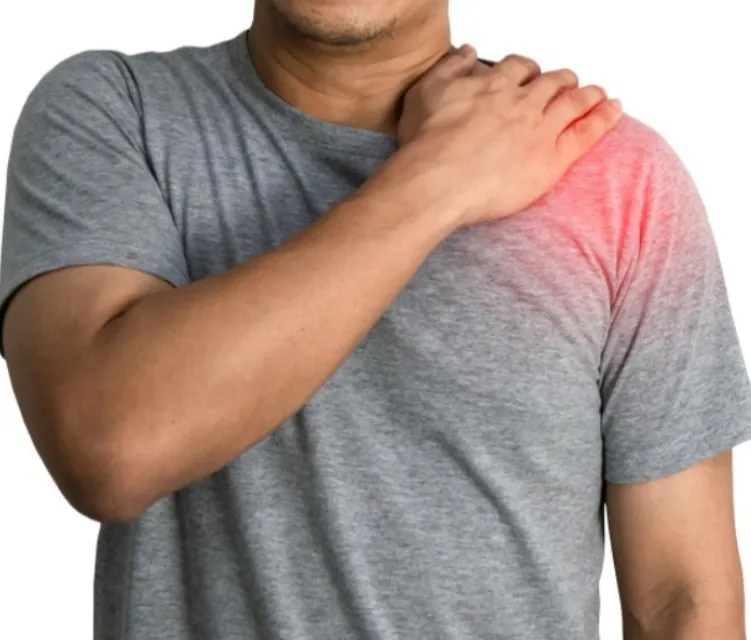
Shoulder pain after lifting, exercise, repetitive overhead activity, or a fall is often described simply as a 'strain.' While minor soft-tissue irritation can settle with appropriate care, persistent pain or weakness may indicate a rotator cuff tear.
The rotator cuff is a group of muscles and tendons that stabilise the shoulder and help lift and rotate the arm. Damage can range from inflammation and partial tearing to a complete tendon tear.
Shoulder Strain and Rotator Cuff Tear Are Not the Same
A mild muscular strain often follows unusual activity or overexertion. Discomfort may improve progressively with rest and appropriate activity modification.
A rotator cuff tear can produce a different pattern. Patients may notice weakness while lifting the arm, difficulty reaching overhead, night pain, or trouble performing movements that previously felt easy.
Features worth evaluating include:
- Persistent shoulder pain
- Weakness when raising the arm
- Pain while lowering the arm
- Difficulty reaching overhead
- Night pain, particularly when lying on the affected side
- Symptoms continuing despite initial conservative care
- Sudden weakness after a fall or lifting injury
Does a Tear Always Happen Suddenly?
No. Some tears occur after trauma, but others develop gradually because of age-related tendon degeneration and repeated mechanical stress.
This explains why one person may remember a specific injury while another notices progressively worsening shoulder function without a clear incident.
How Is the Diagnosis Confirmed?
An orthopaedic assessment usually begins with the history of symptoms and physical examination. Different movements and strength tests can provide information about which structures may be involved.
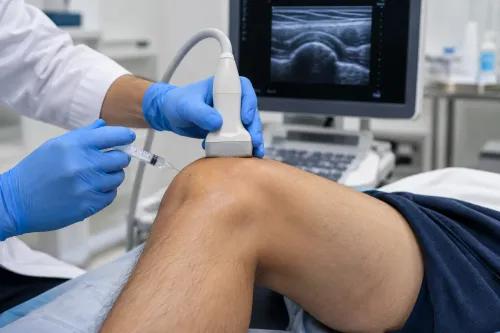
X-rays are useful for assessing bones and related joint changes but do not directly show most rotator cuff tears. Ultrasound or MRI may therefore be considered when detailed tendon assessment is necessary.
What About Treatment?
Not every rotator cuff tear requires surgery. The appropriate approach depends on factors such as the size and type of tear, whether it resulted from acute trauma, the patient's age and activity requirements, degree of weakness, and response to conservative treatment.
Physiotherapy, activity modification, medicines, selected injection therapies, or surgical repair may form part of management depending on the diagnosis.
For patients comparing shoulder treatment options in Thane, Maharashtra, the most useful starting point is establishing what is actually causing the pain. Dr. Amol A. Gharote at Ankur Hospital evaluates shoulder injuries and discusses management according to clinical findings and functional needs.
Persistent weakness should not automatically be treated as an ordinary strain. Identifying whether the rotator cuff is involved helps establish a more appropriate treatment and rehabilitation plan.
Keywords