Accidents happen without warning. A road traffic collision, a fall from a staircase, a workplace injury, or even a sports-related impact can result in fractures, dislocations, ligament injuries, or damage to muscles and tendons. While some injuries are immediately obvious, others may appear minor initially but become more serious if left untreated.
For residents of Thane Station, Castle Mill, Khopat, Uthalsar, Panchpakhadi, Kopri, and surrounding areas of Thane, knowing when to seek orthopedic trauma care can significantly influence recovery, mobility, and long-term quality of life.
What Is Orthopedic Trauma?
Orthopedic trauma refers to injuries affecting the bones, joints, ligaments, tendons, and muscles due to sudden external force. The severity may range from a simple fracture to complex injuries involving multiple bones or joints.
Common orthopedic trauma cases include:
- Bone fractures
- Joint dislocations
- Ligament tears
- Tendon injuries
- Crush injuries
- Sports injuries
- Workplace accidents
- Road traffic accident-related fractures
Every injury requires careful evaluation because two accidents that look similar may result in very different orthopedic problems.
Don't Ignore These Warning Signs After an Injury
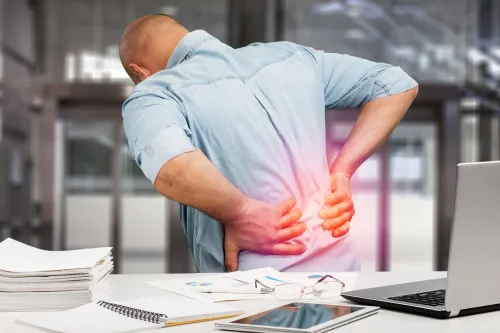
Some people continue with their daily routine after a fall, believing the pain will disappear within a few days. However, certain symptoms should never be ignored.
Seek prompt orthopedic evaluation if you notice:
- Severe or persistent pain
- Swelling that increases rapidly
- Inability to bear weight
- Difficulty moving a joint
- Visible deformity
- Numbness or tingling
- Bleeding associated with a fracture
- Pain that continues despite rest
Early diagnosis often prevents minor injuries from becoming long-term problems.
Why Immediate Assessment Is So Important
The first few hours after an injury are often critical. Proper assessment helps determine not only whether a bone is broken but also whether nearby ligaments, tendons, blood vessels, or nerves have been affected.
At Ankur Hospital, Dr. Amol Gharote performs a detailed clinical examination supported by appropriate imaging, such as X-rays and advanced investigations when necessary. This comprehensive approach helps identify hidden injuries that might otherwise be overlooked.
Accurate diagnosis also allows treatment to begin without unnecessary delays.
Treatment Is Never One-Size-Fits-All
Orthopedic trauma treatment depends on several important factors, including:
- Type of injury
- Bone involved
- Patient's age
- Overall health
- Activity level
- Stability of the fracture
- Presence of associated soft tissue injuries
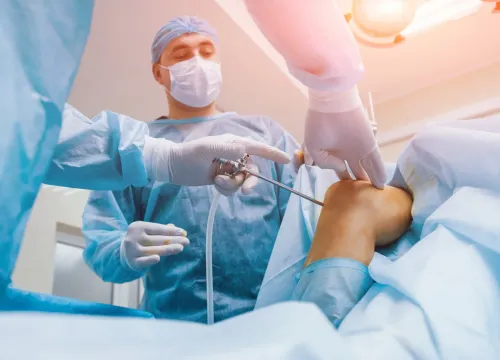
Some injuries heal well with a cast, splint, or brace, while others require surgical fixation to restore proper alignment and joint function.
The aim is always to achieve stable healing while preserving movement and reducing the risk of future complications.
Recovery Doesn't End After the Fracture Heals
Many patients assume treatment is complete once the cast is removed or surgery is over. In reality, rehabilitation is one of the most important phases of orthopedic recovery.
A structured rehabilitation programme may include:
- Joint mobility exercises
- Muscle strengthening
- Balance training
- Walking rehabilitation
- Functional movement exercises
- Gradual return to work or sports
Patients who actively participate in rehabilitation often recover strength and movement more effectively than those who stop treatment too early.
Common Mistakes That Can Delay Healing
Recovering from trauma requires patience and following medical advice. Certain habits can slow healing or increase the risk of complications.
Some common mistakes include:
- Ignoring persistent pain after an injury
- Removing a cast or splint without medical advice
- Returning to heavy physical work too soon
- Skipping follow-up appointments
- Avoiding physiotherapy because movement feels uncomfortable
- Self-medicating without proper diagnosis
Even when pain begins to improve, the injured bone or joint may still require protection while healing continues.
Returning to Everyday Activities Safely
One of the first questions patients ask after an injury is, 'When can I get back to normal?' The answer depends on the type of trauma, the treatment provided, and individual healing capacity.
During follow-up visits, Dr. Amol Gharote monitors healing progress and advises patients on safely returning to driving, work, sports, or other physical activities. This gradual approach helps reduce the risk of re-injury while allowing the body enough time to recover completely.
Supporting Recovery Through Timely Orthopedic Care
Trauma injuries can affect people of every age—from children injured while playing to working professionals, athletes, and senior citizens. The right treatment at the right time can make a significant difference in long-term mobility and independence.
At Ankur Hospital, patients receive individualized orthopedic care based on the nature of the injury rather than a standard treatment plan. Whether someone has sustained a simple fracture or a more complex traumatic injury, careful evaluation helps determine the most appropriate course of action.
If you've experienced a fall, sports injury, or road accident and live in Thane Station, Castle Mill, Khopat, Uthalsar, Panchpakhadi, Kopri, or nearby parts of Thane, seeking prompt orthopedic assessment can improve healing, restore function, and help you return to your daily activities with greater confidence.
Keywords