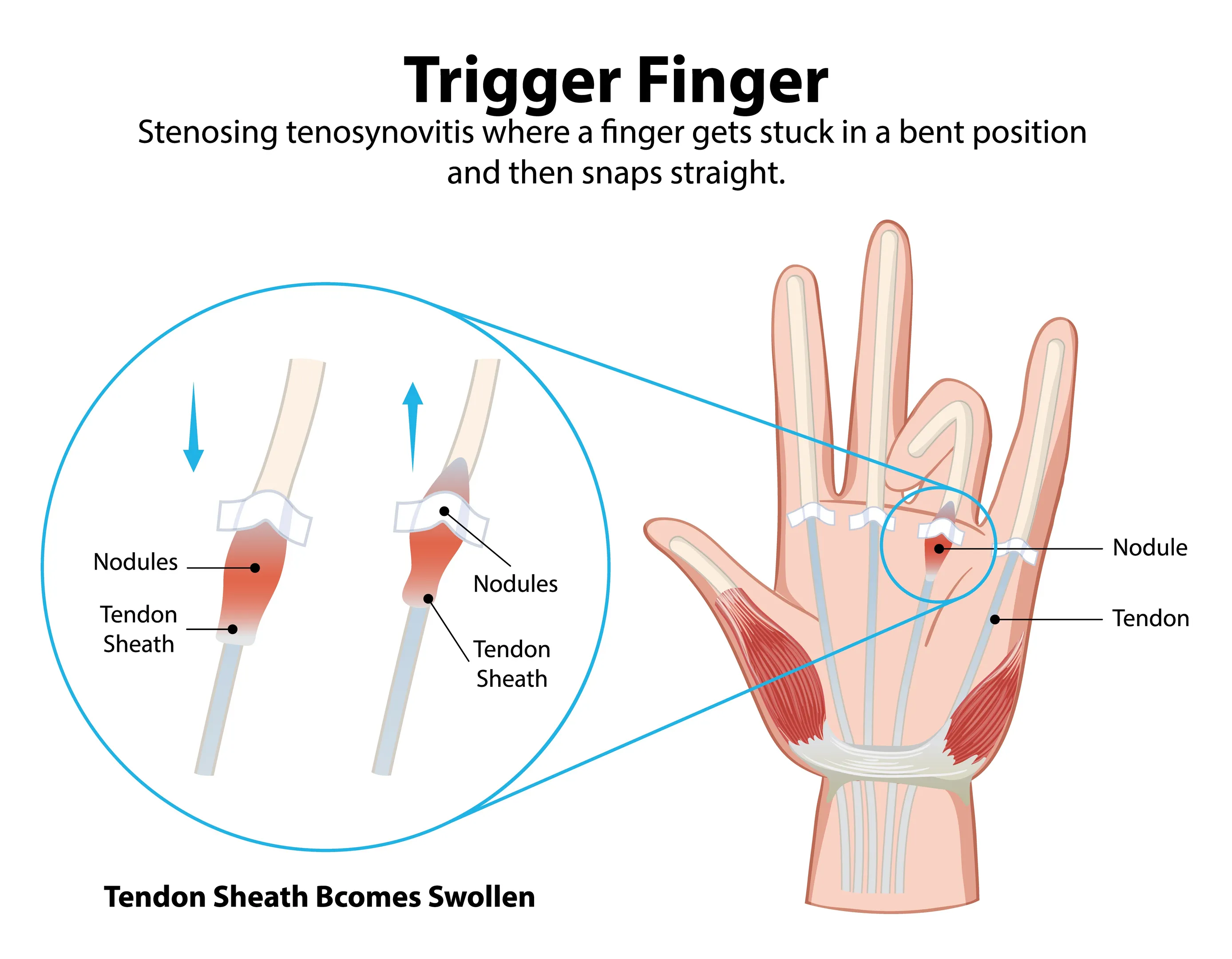
Does one of your fingers get stuck while bending? Do you hear a clicking sound when you try to straighten it? Does the finger sometimes lock completely and need to be pulled open with your other hand? These are common signs of trigger finger, a condition that can make simple hand movements painful and frustrating.
Many people in Panchpakhadi, Thane ignore these symptoms, thinking they will go away on their own. While mild cases may improve with rest or medication, some patients continue to experience pain and finger locking. In these situations, Trigger Finger Release Surgery may be the most effective treatment.
What Is Trigger Finger?
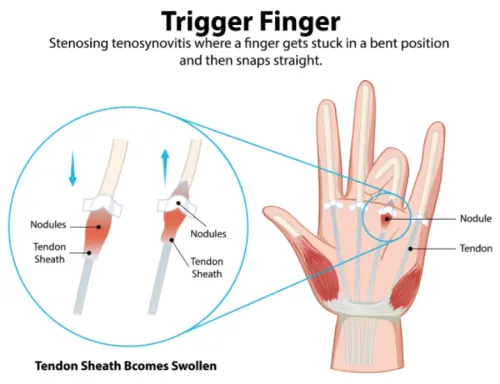
Each finger has a tendon that helps it bend and straighten smoothly. These tendons pass through small tunnels called pulleys.
When the tendon becomes swollen or thickened, it cannot move freely through the pulley. As a result, the finger may catch, click, or lock during movement. This condition is known as trigger finger.
It can affect any finger, including the thumb.
Who Is More Likely to Develop Trigger Finger?
Trigger finger can happen to anyone, but some people have a higher chance of developing it.
It is more common in:
- People with diabetes
- Individuals with arthritis
- Factory workers
- Tailors
- Carpenters
- Homemakers
- Office workers who use keyboards for long hours
- People who perform repetitive hand movements
Repeated gripping and hand movements over a long period may increase the risk.
What Symptoms Should You Watch For?
The condition often begins with mild discomfort and gradually becomes more noticeable.
Common symptoms include:
- Pain at the base of the finger
- Clicking while moving the finger
- Finger stiffness in the morning
- A finger that gets stuck while bending
- Finger locking in a bent position
- Difficulty holding objects
- Tenderness in the palm
The symptoms may be mild at first but can become worse if treatment is delayed.
Does Every Patient Need Surgery?
No. Surgery is not the first treatment for trigger finger.
Depending on the severity of the condition, treatment may include:
- Rest
- Activity modification
- Finger exercises
- Splints
- Anti-inflammatory medicines
- Injection therapy
Many patients improve with these treatments, especially when the condition is diagnosed early.
At Ankur Hospital, Dr. Amol Gharote carefully examines the affected finger and discusses all suitable treatment options before recommending surgery.
When Is Trigger Finger Release Surgery Recommended?
Surgery may be advised when:
- The finger remains locked frequently.
- Pain continues despite treatment.
- Daily activities become difficult.
- Injection therapy has not provided enough relief.
- Finger movement becomes severely restricted.
The decision is based on the patient's symptoms, hand function, occupation, and overall health.
What Happens During Trigger Finger Release?
The procedure is usually performed as a minor surgery.
During the operation, the tight pulley that is stopping the tendon from moving smoothly is released. This allows the tendon to glide freely again, reducing finger locking and improving movement.
Most patients can return home on the same day, depending on their overall condition and the doctor's advice.
Recovery After Surgery
Recovery is usually gradual, and following your doctor's instructions is important for the best results.
Patients are generally encouraged to:
- Move the finger gently as advised.
- Keep the wound clean and dry.
- Avoid heavy lifting during the early healing period.
- Attend follow-up appointments.
- Perform finger exercises if recommended.
Most people notice that finger movement becomes smoother as healing progresses.
Simple Tips to Keep Your Hands Healthy
Although trigger finger cannot always be prevented, these habits may help reduce strain on your hands:
- Take short breaks during repetitive work.
- Avoid gripping tools too tightly.
- Stretch your fingers regularly.
- Use proper hand support while working.
- Seek medical advice if finger stiffness continues.
Paying attention to early symptoms may help prevent the condition from becoming more severe.
Early Treatment Can Make Everyday Tasks Easier
Simple activities like writing, cooking, buttoning clothes, or holding a mobile phone depend on smooth finger movement. When trigger finger begins affecting these tasks, early treatment can make a significant difference.
At Ankur Hospital, Dr. Amol Gharote focuses on identifying the stage of the condition before recommending the most suitable treatment. Whether the problem improves with conservative care or requires trigger finger release surgery, the aim is to restore comfortable hand movement while helping patients return to their daily routine.
If you are experiencing finger locking or pain in Panchpakhadi, don't ignore the symptoms. A timely orthopedic evaluation can help prevent the condition from worsening and allow you to regain normal hand function with the right treatment plan.
Keywords