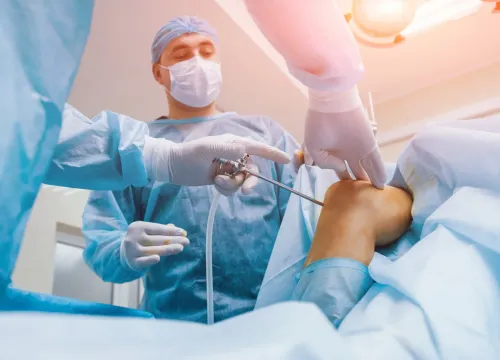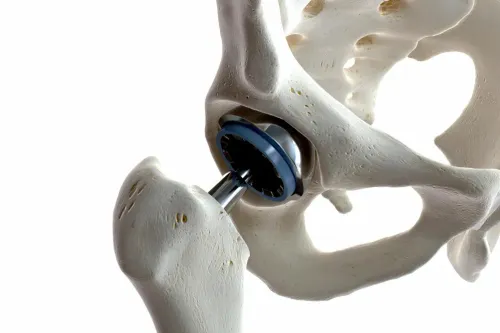
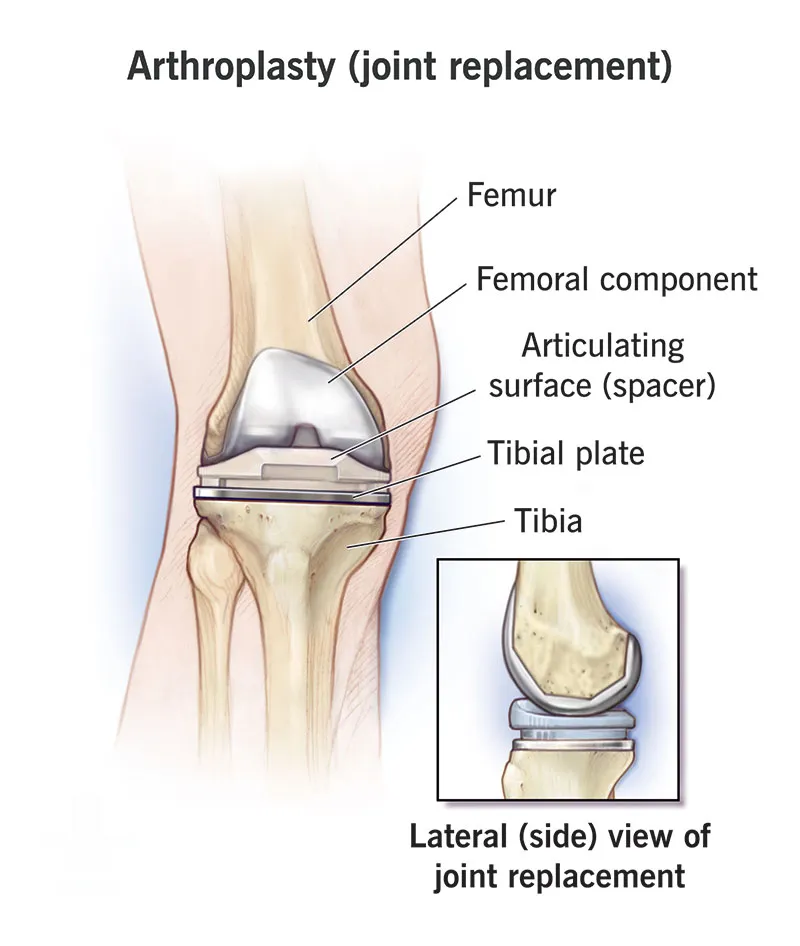
If you've been told that you may need an arthroplasty, the medical term itself can sound overwhelming. In reality, arthroplasty simply refers to a procedure that restores the function of a damaged joint by repairing or replacing the affected surfaces. It is one of the most effective treatments for people whose joint pain has not improved with medication, physiotherapy, or lifestyle changes.
For individuals living in Thane East, understanding how arthroplasty works can make treatment decisions less intimidating and help them know what to expect before meeting an orthopedic specialist.
What Does Arthroplasty Mean?
Healthy joints are covered with smooth cartilage that allows bones to move without friction. Over time, arthritis, injuries, or age-related wear can damage this protective layer, leading to pain, swelling, stiffness, and reduced movement.
Arthroplasty aims to restore smooth joint function by repairing or replacing the damaged parts of the joint.
Depending on the condition, the procedure may involve:
- Total joint replacement
- Partial joint replacement
- Joint resurfacing in selected cases
The approach varies according to the patient's age, lifestyle, severity of damage, and overall health.
When Do Doctors Recommend Arthroplasty?
Most orthopedic specialists recommend surgery only after conservative treatments have been explored.
These may include:
- Pain medication
- Physiotherapy
- Weight reduction
- Activity modification
- Supportive braces
- Injection therapies
If these measures no longer provide meaningful relief and the pain continues affecting daily life, arthroplasty may become the next step.
At Ankur Hospital, Dr. Amol Gharote evaluates each patient individually to determine whether surgery is appropriate or whether continued non-surgical treatment is likely to provide benefit.
Symptoms That Shouldn't Be Ignored
Joint damage often progresses gradually, making it easy to overlook early warning signs.
Some symptoms that deserve medical attention include:
- Persistent joint pain
- Difficulty walking
- Pain while climbing stairs
- Reduced range of motion
- Joint stiffness after sitting
- Swelling that keeps returning
- Difficulty performing routine activities
Early evaluation can help identify the underlying cause before significant joint damage develops.
Which Joints Are Commonly Treated?
Although knee and hip arthroplasty are the most frequently performed procedures, other joints can also benefit from surgical reconstruction when appropriate.
These include:
- Shoulder
- Elbow
- Finger joints
- Ankle in selected patients
The choice depends entirely on the nature of the orthopedic condition and the patient's functional requirements.
What Happens Before Surgery?
Preparing for arthroplasty involves much more than scheduling an operation.
Patients generally undergo:
- Physical examination
- X-rays or advanced imaging
- Blood investigations
- Medical fitness assessment
- Discussion about recovery expectations
This planning stage helps ensure that the chosen treatment aligns with the patient's health, activity level, and long-term goals.
Recovery Is a Gradual Process
Modern arthroplasty techniques allow many patients to begin gentle movement much earlier than in the past. Physiotherapy starts soon after surgery and progresses step by step.
Recovery commonly focuses on:
- Walking safely
- Improving flexibility
- Building muscle strength
- Restoring balance
- Returning to everyday activities
Following rehabilitation instructions consistently often has a significant impact on the final outcome.
Choosing the Right Treatment Path
Every patient experiences joint problems differently. Two people with similar X-rays may require entirely different treatment approaches depending on their symptoms, lifestyle, and expectations.
This is why individualized assessment remains so important. At Ankur Hospital, Dr. Amol Gharote takes time to explain available treatment options, expected outcomes, and recovery planning before recommending arthroplasty.
For residents of Thane East, seeking timely orthopedic advice can help preserve mobility, reduce pain, and support better long-term joint health. Whether surgery is eventually required or conservative treatment remains suitable, understanding the condition is the first step toward making a confident and informed decision.
Keywords