A fall that seems minor can have serious consequences for older adults. One of the most common injuries seen in senior citizens is a hip fracture, particularly around the neck of the femur. Unlike younger individuals, elderly patients often have weaker bones due to osteoporosis, making fractures more likely even after a simple slip at home.
For families living in Castle Mill, Thane, a hip fracture can be overwhelming. Questions about surgery, recovery, mobility, and long-term independence often arise immediately. One procedure that orthopedic surgeons may recommend in suitable cases is Hip Hemi-Arthroplasty. Understanding why this surgery is performed and who benefits from it can help families make informed decisions during a stressful time.
What Is Hip Hemi-Arthroplasty?
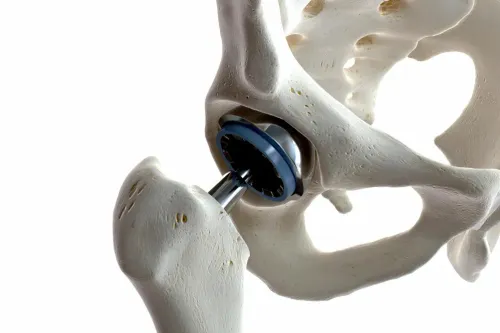
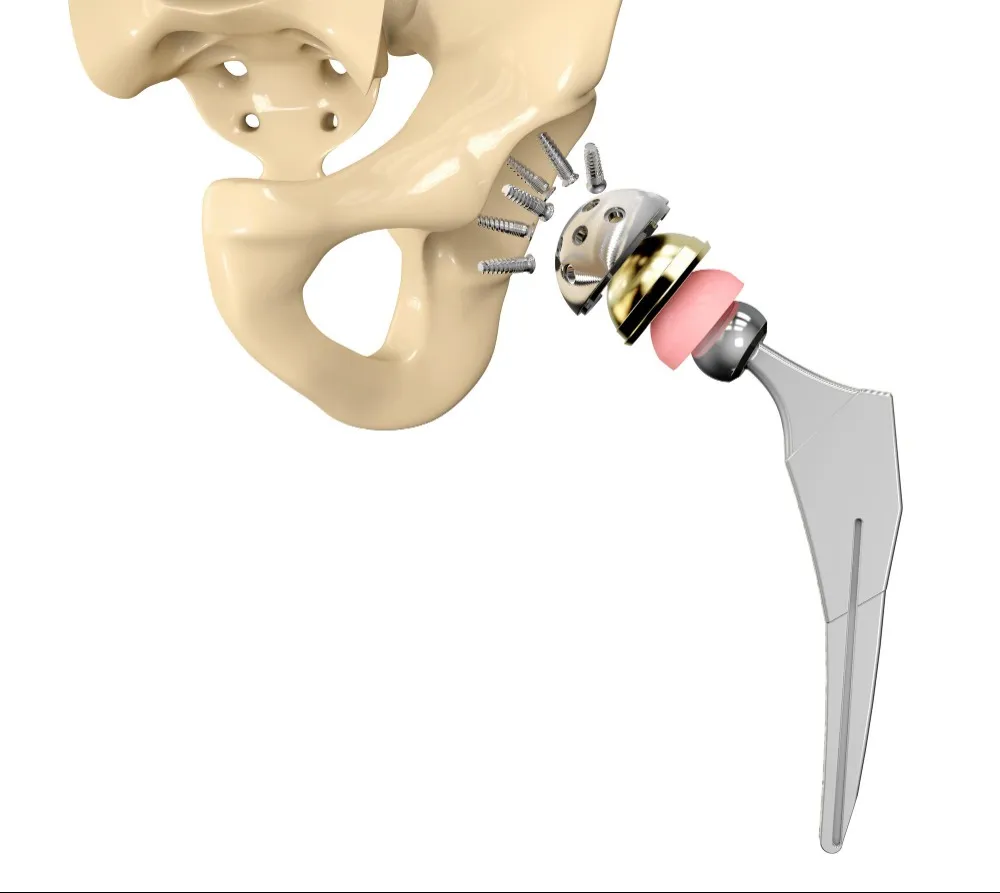
Hip hemi-arthroplasty is a surgical procedure where the damaged femoral head—the ball portion of the hip joint—is replaced with a prosthetic implant while the natural hip socket is preserved.
Unlike a total hip replacement, this procedure replaces only one part of the joint. It is commonly recommended for elderly patients with specific types of hip fractures where preserving the fractured bone is unlikely to provide the best outcome.
The primary goals of the surgery are to:
- Relieve pain
- Restore mobility
- Help patients stand and walk earlier
- Reduce complications associated with prolonged bed rest
Why Are Elderly Patients More Vulnerable to Hip Fractures?
As people age, bone density naturally decreases. Conditions such as osteoporosis make bones more fragile, increasing the risk of fractures from relatively low-impact falls.
Other contributing factors include:
- Reduced balance
- Muscle weakness
- Poor vision
- Certain medications
- Previous fractures
- Vitamin D deficiency
Because these fractures often occur unexpectedly, early orthopedic evaluation becomes essential.
When Is Hip Hemi-Arthroplasty Recommended?
Not every hip fracture requires the same treatment. Some fractures can be repaired with screws or plates, while others are better treated with joint replacement.
Hip hemi-arthroplasty may be considered when:
- The fracture involves the neck of the femur.
- Blood supply to the femoral head is compromised.
- The bone fragments cannot be reliably fixed.
- The patient is elderly with lower bone quality.
- Early weight-bearing is an important treatment goal.
At Ankur Hospital, Dr. Amol Gharote carefully evaluates the patient's fracture pattern, overall health, mobility before the injury, and medical history before recommending the most appropriate treatment.
Why Early Surgery Often Leads to Better Recovery
One of the biggest concerns after a hip fracture is prolonged bed rest. Remaining immobile for several days or weeks can increase the risk of complications such as:
- Blood clots
- Chest infections
- Pressure sores
- Muscle weakness
- Loss of independence
When medically appropriate, timely surgery allows patients to begin rehabilitation sooner. Early mobilisation not only supports physical recovery but also helps improve confidence and overall well-being.
What Happens After Surgery?
Recovery begins soon after the procedure. A multidisciplinary approach involving orthopedic care, physiotherapy, and family support plays an important role in helping elderly patients regain mobility.
Rehabilitation generally focuses on:
- Safe standing and walking
- Strengthening leg muscles
- Improving balance
- Preventing future falls
- Restoring confidence during movement
The pace of recovery varies from person to person, depending on age, pre-existing health conditions, and overall fitness.
Helping an Elderly Family Member Recover at Home
Family members often play a vital role after discharge from the hospital. A few practical adjustments at home can make recovery safer and more comfortable.
These include:
- Removing loose rugs and floor hazards
- Installing grab bars in bathrooms
- Providing supportive footwear
- Encouraging prescribed physiotherapy exercises
- Ensuring regular follow-up appointments
- Maintaining a nutritious diet rich in calcium and protein
Simple changes can significantly reduce the risk of another fall while supporting ongoing recovery.
Why Timely Orthopedic Evaluation Matters
Many families worry about whether surgery is the right choice for an elderly loved one. The decision should always be based on the patient's overall health, fracture type, and expected quality of life rather than age alone.
At Ankur Hospital, Dr. Amol Gharote believes in discussing every treatment option with patients and their families before planning surgery. Understanding the expected benefits, recovery process, and rehabilitation goals helps everyone feel more confident about the treatment journey.
For senior citizens in Castle Mill, prompt medical attention after a hip injury can make a significant difference. Early diagnosis and appropriate management not only improve the chances of successful recovery but also help older adults regain independence and return to their daily routine with greater comfort and confidence.
Keywords