
Joint pain has a way of creeping into everyday life. At first, it may only bother you after a long walk or while climbing stairs. Over time, even simple activities like getting up from a chair, driving, or taking a short stroll can become uncomfortable. If this sounds familiar, you may have wondered whether joint replacement surgery is something to consider.
For many people around Thane Station in Thane, Maharashtra, the decision isn't about age—it's about quality of life. Understanding when surgery becomes the right option can help you seek treatment at the appropriate stage rather than waiting until mobility becomes severely restricted.
What Is Joint Replacement Surgery?
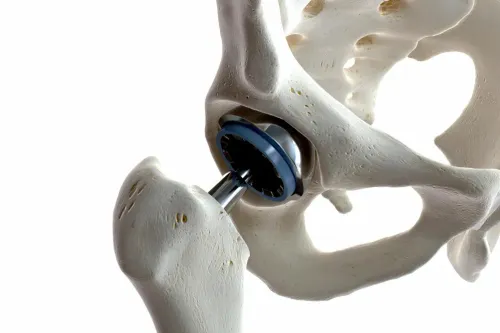
Joint replacement is an orthopedic procedure in which the damaged portions of a joint are replaced with specially designed artificial components. The goal is straightforward: relieve pain, improve movement, and help patients return to their daily routines with greater comfort.
The procedure is commonly performed for:
- Knee joints
- Hip joints
- Shoulder joints in selected cases
Modern implants are designed to mimic the natural movement of the joint while providing long-term durability.
Not Every Joint Problem Requires Surgery
One of the biggest misconceptions is that surgery is the first recommendation for persistent joint pain. In reality, orthopedic specialists usually begin with conservative treatment options whenever they are likely to provide relief.
These may include:
- Physiotherapy
- Lifestyle modifications
- Weight management
- Anti-inflammatory medication
- Activity modification
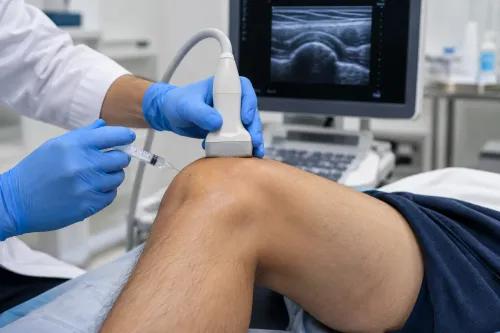
- Injection therapies for selected conditions
At Ankur Hospital, Dr. Amol Gharote carefully evaluates every patient's condition before recommending surgery. The aim is always to preserve the natural joint whenever possible and consider joint replacement only when non-surgical treatments are no longer effective.
Signs That May Indicate It's Time for Joint Replacement
Joint pain becomes more concerning when it begins affecting your independence rather than just causing occasional discomfort.
Some common signs include:
- Pain that persists throughout the day
- Difficulty climbing stairs
- Trouble walking even short distances
- Joint stiffness after resting
- Disturbed sleep because of pain
- Reduced ability to work or perform household activities
Many patients continue tolerating these symptoms for years, assuming they are a normal part of ageing. However, ongoing pain should never be ignored, especially when it limits everyday activities.
Conditions That Commonly Lead to Joint Replacement
Several orthopedic conditions can gradually damage a joint over time.
The most common causes include:
- Osteoarthritis
- Rheumatoid arthritis
- Previous fractures involving the joint
- Avascular necrosis
- Advanced cartilage wear
- Certain congenital joint disorders
A detailed clinical examination along with imaging studies helps determine the extent of joint damage and the most suitable treatment plan.
Why Early Evaluation Makes a Difference
Many patients wait until the pain becomes unbearable before consulting an orthopedic surgeon. Unfortunately, delayed treatment may lead to muscle weakness, reduced mobility, and a longer recovery process.
Seeking an early orthopedic evaluation offers several advantages:
- Better understanding of the condition
- More treatment options
- Improved pain management
- Easier rehabilitation planning
- Opportunity to delay surgery if appropriate
During consultation, Dr. Amol Gharote assesses factors such as pain severity, lifestyle, medical history, activity level, and imaging findings before discussing available treatment options.
What Recovery Typically Looks Like
Recovery after joint replacement has improved significantly over the years thanks to advances in surgical techniques and rehabilitation protocols.
Many patients begin standing and walking with assistance soon after surgery, followed by a structured physiotherapy programme that focuses on:
- Improving flexibility
- Restoring muscle strength
- Increasing walking distance
- Enhancing balance
- Returning to daily activities safely
Every recovery journey is different, but consistent rehabilitation often plays a bigger role than the surgery itself in achieving long-term success.
Making an Informed Decision
Choosing whether to undergo joint replacement is a personal decision that should be based on medical advice, lifestyle needs, and the extent of joint damage rather than fear or misconceptions.
Patients visiting Ankur Hospital in Thane often benefit from understanding both surgical and non-surgical options before deciding on treatment. Under the care of Dr. Amol Gharote, the focus remains on helping individuals regain mobility while selecting the approach that best suits their condition.
For residents around Thane Station, timely orthopedic assessment can often make the difference between living with constant pain and returning to a more active, comfortable lifestyle.
Keywords