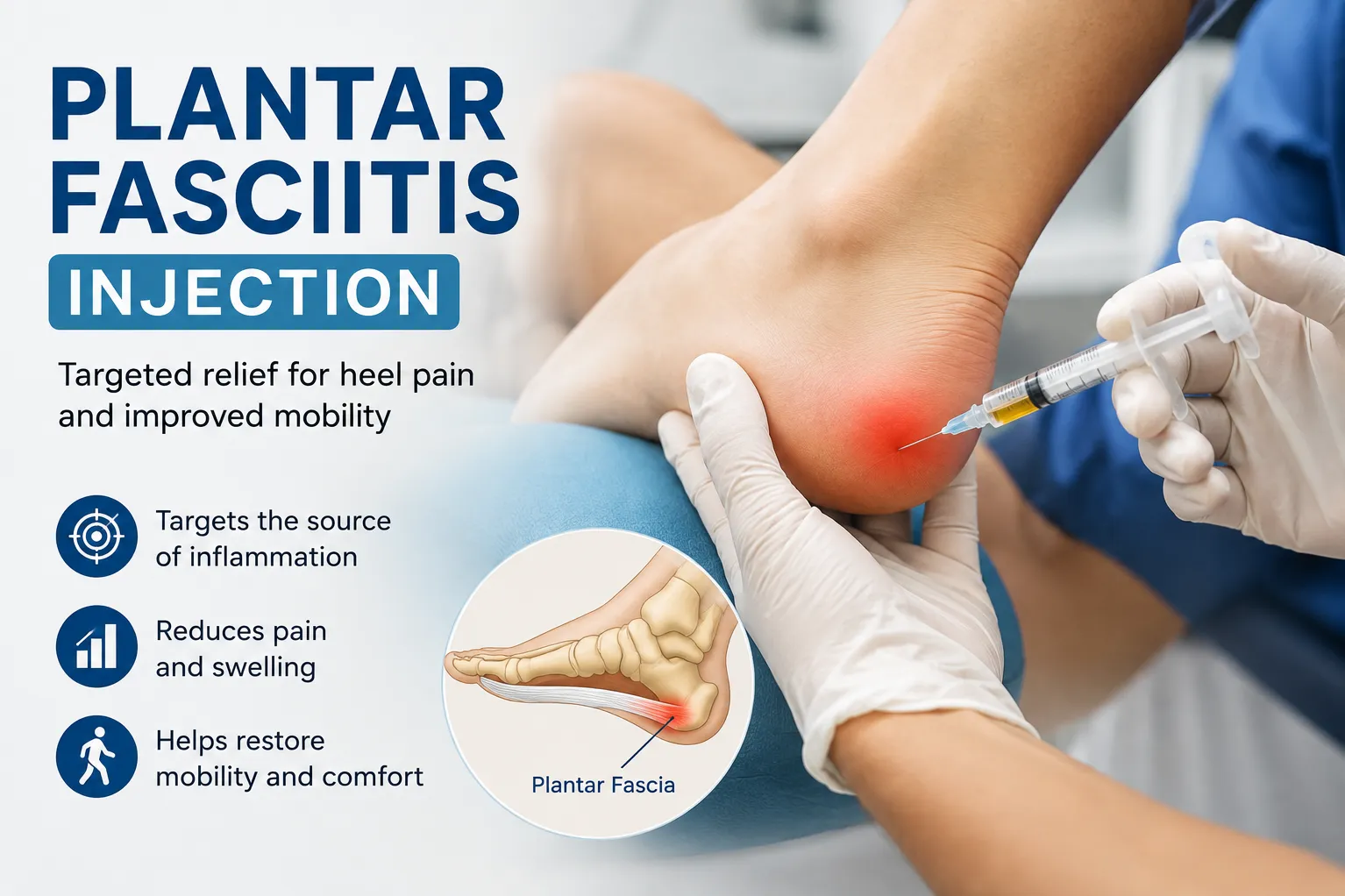
Heel pain can make every step uncomfortable. It may start as a mild pain in the morning and slowly become a problem throughout the day. Walking to work, climbing stairs, shopping, or even standing for a few minutes may become difficult. One of the most common reasons for this type of pain is plantar fasciitis.
Many people in Uthalsar try home remedies for weeks or even months before visiting an orthopedic specialist. While rest and simple treatments help many patients, some continue to have pain. In such cases, a Plantar Fasciitis Injection may be one of the treatment options after a proper medical evaluation.
What Is Plantar Fasciitis?
The plantar fascia is a strong band of tissue that runs from your heel to your toes. It supports the arch of your foot and helps you walk comfortably.
When this tissue becomes irritated or develops small tears because of repeated stress, it causes plantar fasciitis.
This is one of the most common causes of heel pain in adults.
What Causes Plantar Fasciitis?
Several everyday habits and health conditions can increase the risk.
Some common causes include:
- Standing for long hours
- Walking on hard floors
- Wearing shoes without proper support
- Being overweight
- Running or high-impact exercise
- Tight calf muscles
- Flat feet or high arches
People whose jobs require long periods of standing are more likely to develop this condition.
What Are the Symptoms?
The symptoms usually develop slowly.
You may experience:
- Sharp pain under the heel
- Pain during the first few steps in the morning
- Heel pain after sitting for a long time
- Pain after long walks
- Stiffness in the foot
- Difficulty standing for extended periods
Many patients notice that the pain becomes slightly better after walking for a few minutes but returns later in the day.
Is an Injection the First Treatment?
No. Most patients improve without injections.
The first step usually includes:
- Rest
- Ice application
- Stretching exercises
- Comfortable footwear
- Heel cushions or shoe inserts
- Physiotherapy
- Pain-relieving medicines when needed
These treatments often reduce pain when followed regularly.
At Ankur Hospital, Dr. Amol Gharote first checks the cause of heel pain before deciding whether an injection is necessary. Not every patient with plantar fasciitis needs one.
When Is an Injection Recommended?
If heel pain continues even after several weeks of proper treatment, an injection may be considered.
It may be helpful when:
- Pain is severe.
- Walking has become difficult.
- Daily activities are affected.
- Physiotherapy has not given enough relief.
- Other conservative treatments have not worked.
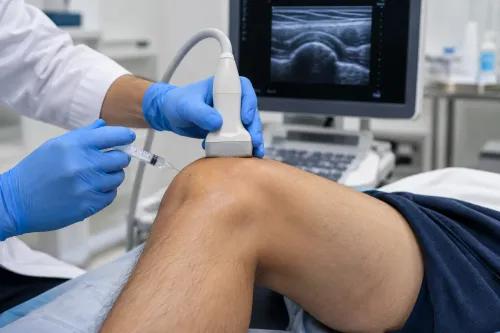
Sometimes, the injection is given with ultrasound guidance to improve accuracy and deliver the medicine to the affected area more precisely.
Recovery Still Needs Your Participation
An injection alone is not enough to solve the problem.
To improve recovery, patients are usually advised to:
- Continue stretching exercises
- Wear supportive footwear
- Avoid walking barefoot on hard surfaces
- Maintain a healthy body weight
- Follow physiotherapy if recommended
- Return to activities gradually
These simple steps help reduce stress on the plantar fascia and lower the chance of the pain returning.
Simple Ways to Protect Your Feet
Healthy daily habits can make a big difference.
Try to:
- Replace worn-out shoes regularly.
- Stretch your calf muscles every day.
- Warm up before exercise.
- Avoid standing continuously for long hours.
- Rest your feet if pain increases.
Small lifestyle changes often help protect the feet from repeated strain.
Don't Let Heel Pain Limit Your Daily Life
Many people ignore heel pain because they believe it will disappear on its own. However, delaying treatment can make the condition more difficult to manage and may affect your normal routine.
At Ankur Hospital, Dr. Amol Gharote carefully examines each patient to identify the exact cause of heel pain before recommending treatment. Whether the condition improves with physiotherapy, footwear changes, or injection therapy, the focus is always on helping patients return to comfortable walking as safely as possible.
If you live in Uthalsar and your heel pain has been affecting your work, exercise, or everyday activities, an early orthopedic consultation can help you understand the cause and choose the treatment that best fits your condition.
Keywords